Average current, not peak MIPS, decides how long a sensing node lives. This note walks through the arithmetic for four common duty cycles, shows where datasheet sleep figures mislead, and gives a measured comparison of eight candidate parts under an identical one-per-cent duty workload with the same radio and sensor attached.
Topics
Sensing & Measurement
MEMS, signal conditioning, calibration and drift over life.
3 Papers
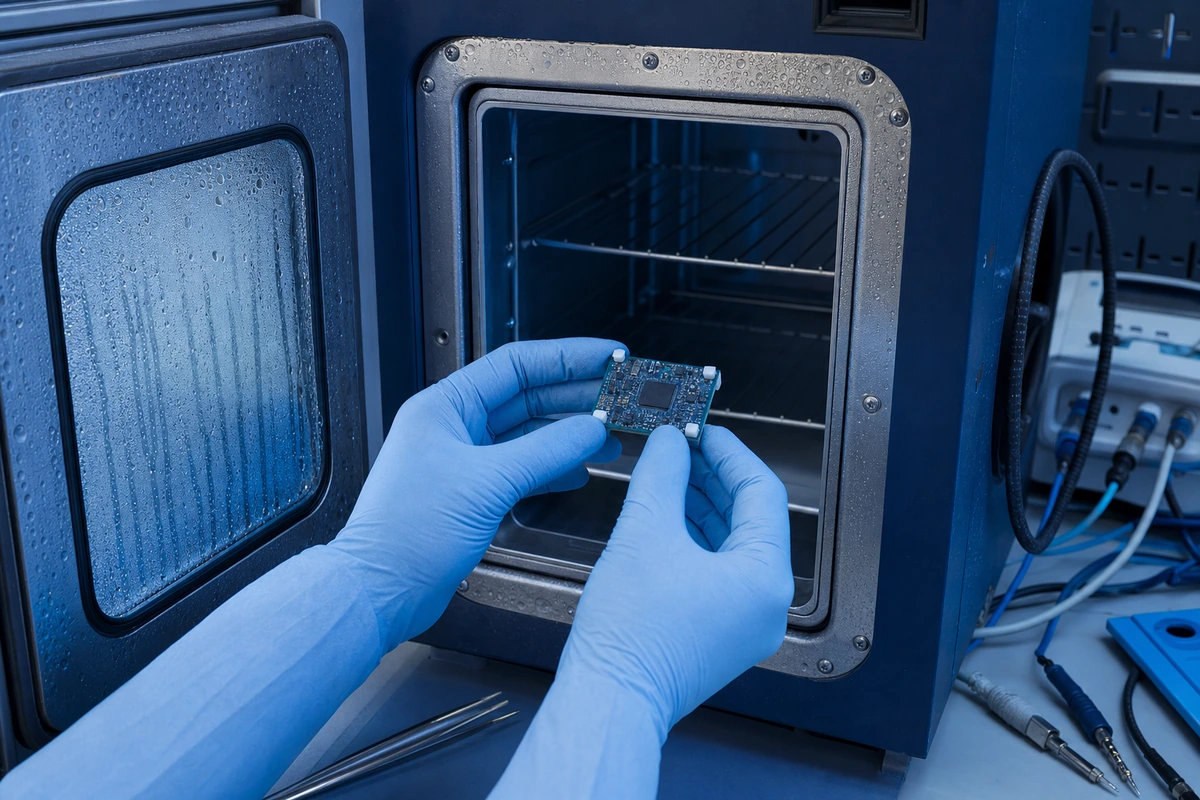
PaperFeaturedDatasheet bias-stability figures are quoted at room temperature on fresh parts, which is not how industrial equipment ages. We cycled forty six-axis IMUs from four manufacturers between minus 40 and plus 85 degrees Celsius for 500 cycles and re-characterised bias, scale factor and cross-axis sensitivity after each 100. Gyroscope bias degraded three to eleven times faster than the accelerometer channel, and the ranking between manufacturers changed after cycle 200, so a selection made on fresh-part data can be wrong within a year of field service.
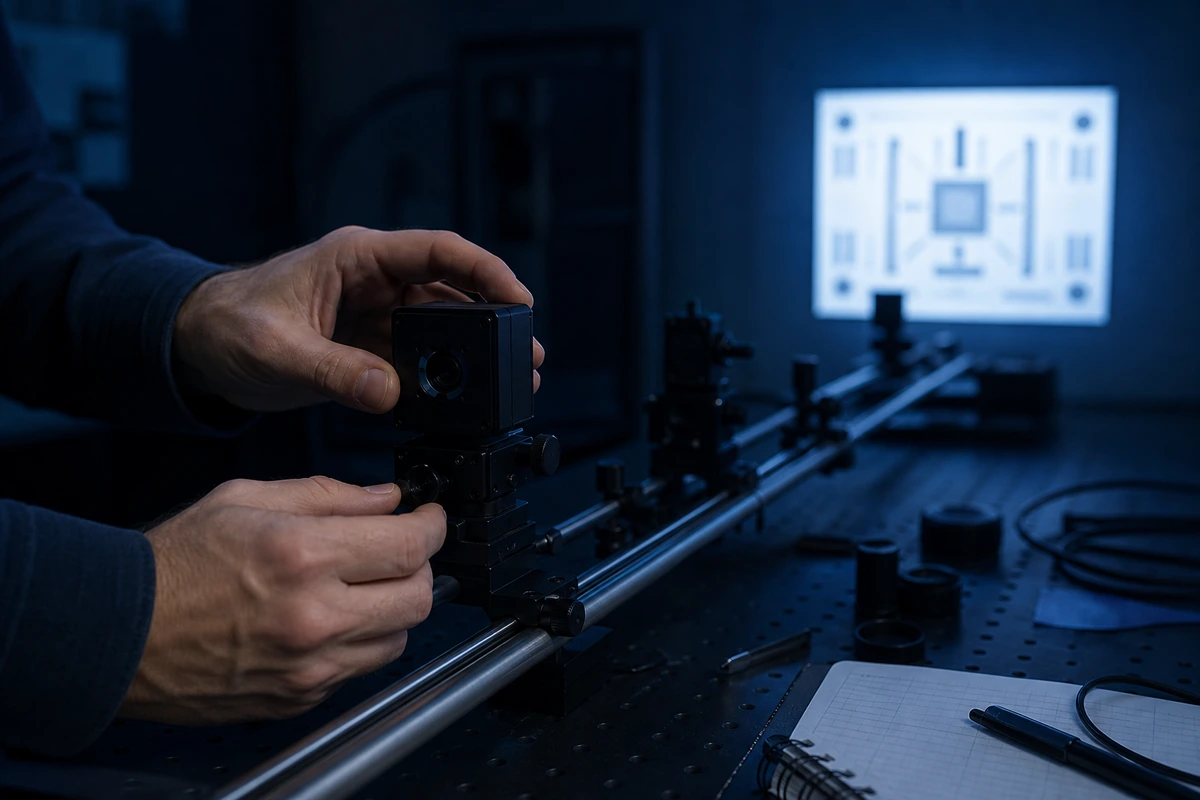
PaperVendor low-light claims are not comparable because the illuminant, exposure and denoising stage all differ. We define a fixed test scene, illuminant spectrum and raw-capture protocol, then publish results for eleven sensors so the numbers can be reproduced rather than trusted. The reference target is dimensioned in the appendix so any lab can build one.